
Intersecting Biomechanics: A Comparative Look at Achilles Tendon Ruptures and ACL Tears
Musculoskeletal injuries are a common challenge for athletes and active individuals, and two of the most prevalent—and often debilitating—are Achilles tendon ruptures and anterior cruciate ligament (ACL) tears. While these injuries affect different parts of the body—the Achilles tendon at the back of the ankle, and the ACL deep within the knee—they share interesting biomechanical connections, as well as key differences.
In this article, we’ll explore what happens inside the body when these injuries occur, what factors increase the risk, how they’re diagnosed and treated, and what the future may hold for rehabilitation. By examining these injuries side by side and drawing on the latest research, we can gain valuable insight into both prevention and recovery.
How the Achilles Tendon and ACL Work: The Biomechanics Behind the Injuries
First, let's look at the role of each structure. The Achilles tendon is a thick, powerful band connecting your calf muscles to your heel bone. It's the strongest tendon in the human body and is essential for movements like walking, running, and jumping. The ACL, meanwhile, is a critical ligament within your knee that keeps the joint stable by preventing the shinbone from sliding too far forward and controlling the knee’s rotation.
Both structures endure significant stress during physical activity, but injuries typically occur in different ways. Achilles tendon ruptures often happen when the tendon is quickly overstretched—such as during a sudden sprint or powerful jump—leading to a tear. ACL tears are usually the result of a combination of twisting, abrupt stops, or changes in direction that subject the knee to complex forces.
In simple terms:
- The Achilles tendon primarily handles powerful pulling forces when you push off your foot.
- The ACL stabilizes against twisting and forward motion in the knee .
- Both are frequently injured during fast, high-impact movements that overload their capacity.
What Increases the Risk? Comparing Achilles Ruptures and ACL Tears
The risk factors for these injuries often differ. Achilles tendon ruptures are more common in middle-aged men who play sports recreationally, while ACL tears are more frequently seen in younger women athletes. These patterns likely result from differences in anatomy, muscle control, and hormonal factors affecting ligaments and tendons.
Specific sports also come with specific risks. Achilles injuries are often associated with explosive activities like sprinting or jumping. ACL injuries are more likely in sports requiring quick pivots and sudden stops, such as soccer or basketball . Factors like the quality of footwear , athletic surfaces, and even fatigue can further influence injury risk.
Muscle strength and coordination play a crucial role. Weak or imbalanced muscles—whether in the calves for the Achilles or in the thighs for the ACL—can make the supporting tissue more vulnerable. Overuse and previous injuries also increase risk, as repetitive strain or lingering weakness can compromise tissue integrity.
To sum up:
- Age, sex, and sport type influence who is most at risk.
- Muscle strength and neuromuscular control are key factors in prevention.
- Equipment, playing conditions, and fatigue add to risk.
- Prior injuries or chronic overuse lower resilience of tendons and ligaments .
Spotting the Injury and Advances in Treatment
Diagnosis typically begins with a physical exam. For Achilles ruptures, the Thompson test helps assess tendon integrity by looking for foot movement after squeezing the calf. For ACL tears , the Lachman test evaluates knee stability . Imaging—such as ultrasound or MRI—confirms the diagnosis , determines severity, and guides treatment plans.
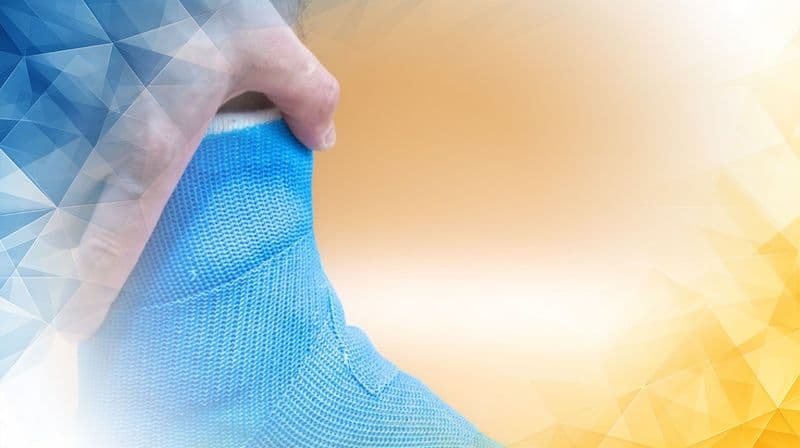
Treatment for Achilles ruptures may involve conservative approaches, like bracing the foot in a pointed position, or surgical repair followed by rehabilitation. ACL tears often require surgical reconstruction, using a graft from the patient or a donor, and rehabilitation to restore strength , stability, and coordination.
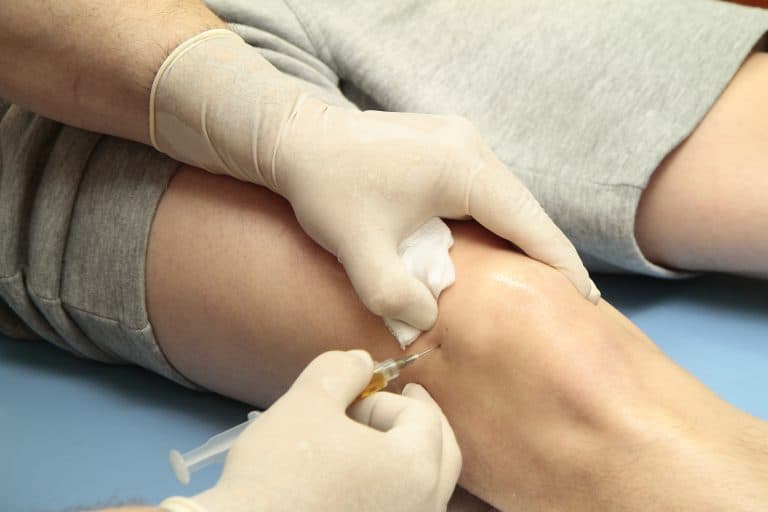
New techniques include less invasive surgeries and biologic treatments, such as platelet-rich plasma injections, which aim to speed healing. Advances in computer modeling are also helping tailor treatments to each individual, making rehabilitation more precise and effective.
In brief:
- Diagnosis uses a combination of physical tests and imaging.
- Both injuries can be managed non-surgically or surgically, with personalized rehab.
- Emerging technologies and therapies are making recovery more efficient.
What This Means for Recovery and Research Going Forward
A good understanding of biomechanics is essential for effective rehabilitation. The Achilles tendon, for example, responds well to eccentric exercises—controlled lengthening under load—to rebuild strength. For ACL tears , rehab often focuses on neuromuscular training, teaching the muscles to stabilize and protect the joint.
Looking ahead, research is focused on identifying who is most at risk, improving therapies for faster healing, and customizing rehab for each person's unique needs—including differences based on age or sex. Wearable technology that tracks movement in real time is on the horizon, promising highly personalized injury prevention and recovery strategies.
Collaboration among biomechanics researchers, clinicians, and sports scientists will be vital for these breakthroughs.
Bringing It All Together
Though they affect different areas, Achilles tendon ruptures and ACL tears have much in common when viewed through the lens of biomechanics. By comparing these injuries, we gain valuable insight into the nature of tissue overload, how risk factors vary, and how treatment can be optimized for successful recovery.
A biomechanical approach helps healthcare professionals diagnose, treat, and rehabilitate injuries more effectively, giving patients the best chance of returning to full activity. With ongoing research, the future holds even more personalized and effective strategies to maintain musculoskeletal health and enhance athletic performance.
References
Calleja, M., & Connell, D. (2010). The Achilles Tendon. Seminars in Musculoskeletal Radiology, 14(03), 307–322. https://doi.org/10.1055/s-0030-1254520
Shaikh, N. (2016). The Achilles Tendon: An Overview from the Anatomy to the Treatment of Achilles Tendon Ruptures. Canadian Journal of Medical Sonography, 7(1), 15-20. https://doi.org/10.3138/cjms.v7i1.15
Patch, D. A., Andrews, N. A., Scheinberg, M., Jacobs, R. A., Harrelson, W., Rallapalle, V., Sinha, T., & Shah, A. (2023). Achilles tendon disorders. Jaapa, 36(10), 1-8.
Frequently Asked Questions
- London Cartilage Clinic offers state-of-the-art diagnostic and treatment options for musculoskeletal injuries. Led by Prof Lee, whose expertise and experience are internationally recognised, the clinic provides personalised care utilising the latest minimally invasive and biological techniques for optimal recovery. Patients benefit from tailored rehabilitation programmes and advanced biomechanical insight.
- Prof Lee has extensive experience treating complex Achilles tendon ruptures and ACL tears, drawing on years of surgical and research expertise. His comprehensive approach incorporates both evidence-based interventions and innovative therapies. This expertise ensures patients receive accurate diagnosis and a personalised, research-driven rehabilitation journey focused on effective recovery.
- Patients at London Cartilage Clinic can access the latest advancements in sports injury care, including less invasive surgical techniques and biologic therapies such as platelet-rich plasma injections. Prof Lee employs cutting-edge computer modelling to tailor each treatment plan, aiming to enhance healing and support safer, swifter return to activity.
- The Clinic focuses on evidence-based prevention and rehabilitation strategies rooted in biomechanics. Individual assessments guide customised plans that address each patient’s specific risk factors. Prof Lee’s multidisciplinary team ensures patients build strength, coordination, and resilience, using both traditional and technology-aided rehabilitation to reduce recurrence and improve long-term musculoskeletal health.
- Every injury and athlete is unique, so individualised biomechanical assessments underpin all care at London Cartilage Clinic. Prof Lee integrates detailed movement analysis, muscle strength evaluation, and the latest research to guide treatment. This approach supports safe rehabilitation, reduces complications, and helps patients regain peak performance with confidence.
Legal & Medical Disclaimer
This article is written by an independent contributor and reflects their own views and experience, not necessarily those of London Cartilage Clinic. It is provided for general information and education only and does not constitute medical advice, diagnosis, or treatment.
Always seek personalised advice from a qualified healthcare professional before making decisions about your health. London Cartilage Clinic accepts no responsibility for errors, omissions, third-party content, or any loss, damage, or injury arising from reliance on this material.
If you believe this article contains inaccurate or infringing content, please contact us at [email protected].
London Cartilage Clinic
Modern treatments, designed for lasting knee outcomes
Every treatment plan is selected to help you return to the quality of life you deserve. Our team combines up-to-date techniques with consultant-led decision making across cartilage repair, regeneration and replacement.
What your journey can look like
Step 01
Consultant-Led Assessment
Symptoms, imaging and goals reviewed in one structured appointment.
Step 02
Personalised Treatment Plan
A clear route chosen from repair, regeneration or replacement options.
Step 03
Precision Delivery
Modern techniques and specialist equipment matched to your diagnosis.
Step 04
Long-Term Knee Health
Follow-up guidance focused on durable function and quality of life.
Will the Arthrosamid work for me
PAAG-8+ Questionnaire
A bright, structured entry point for patients exploring Arthrosamid. The questionnaire helps frame suitability, expectations, and 24-month clinical benefit discussion before a fuller consultant-led review.
Designed for shared decision-making. It does not replace specialist consultation, examination, imaging review, or formal medical advice.